Holding a Warm Matcha While Wearing Something Structured
ADVERTISEMENT There are mornings when I know exactly what I want to wear before I even get out of bed, not because I planned it the night before, but because my body already understands the tone of the day before my mind catches up. ADVERTISEMENT That morning, I reached instinctively for something structured, a tailored…
There are mornings when I know exactly what I want to wear before I even get out of bed, not because I planned it the night before, but because my body already understands the tone of the day before my mind catches up.
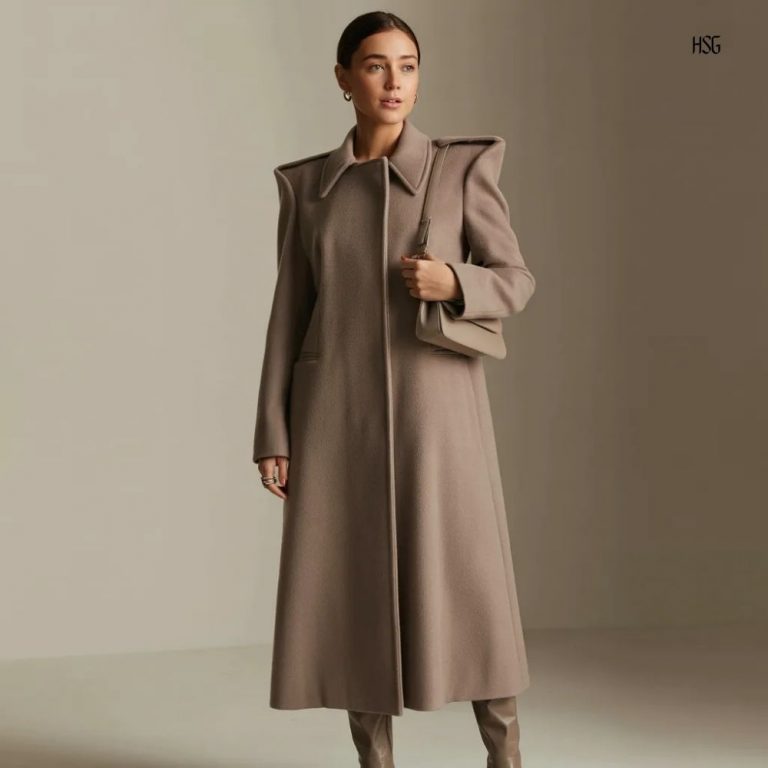
That morning, I reached instinctively for something structured, a tailored coat with clean lines and enough weight to make me stand a little straighter the moment I put it on, the kind of piece that doesn’t need styling tricks to feel intentional.
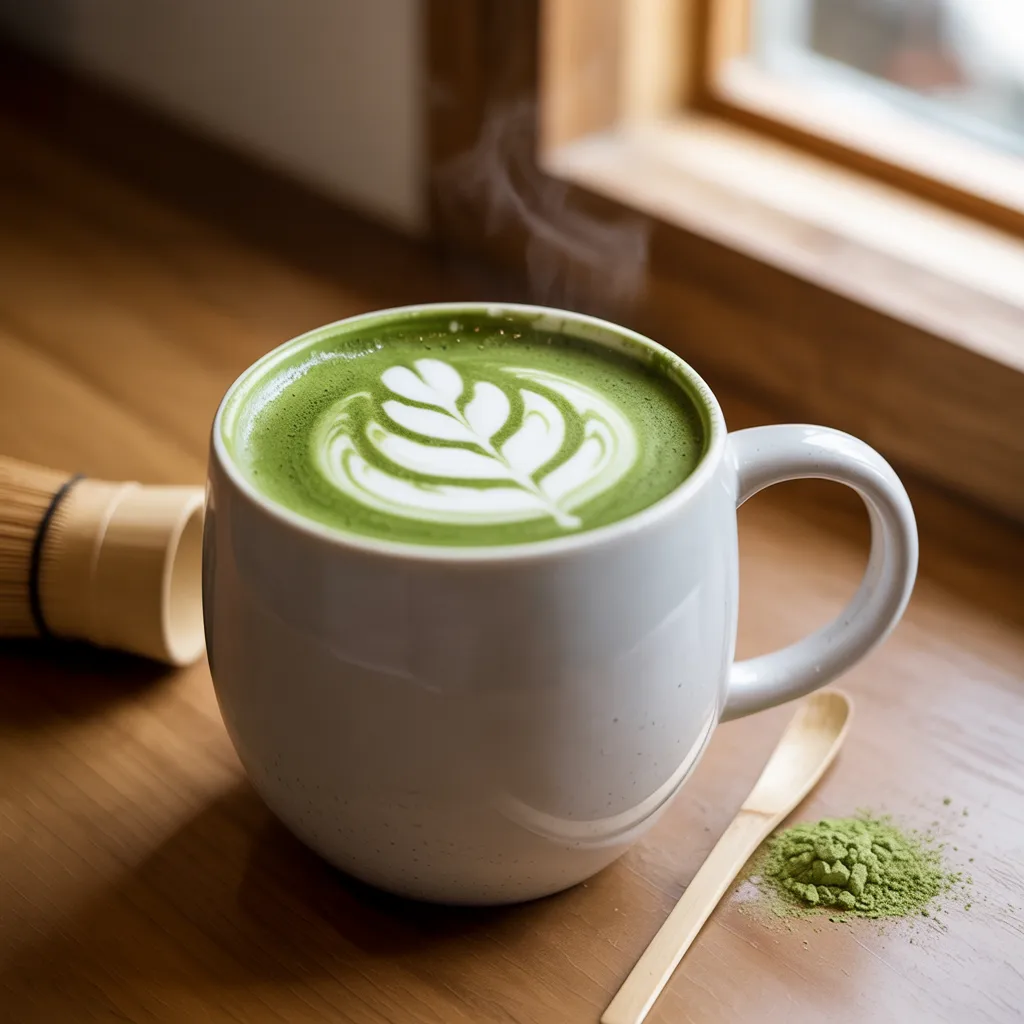
At the same time, without thinking too hard about it, I made matcha instead of coffee, warming the water slowly, choosing a mug that felt grounding in my hands, letting the steam rise long enough for me to breathe before the day asked anything of me.
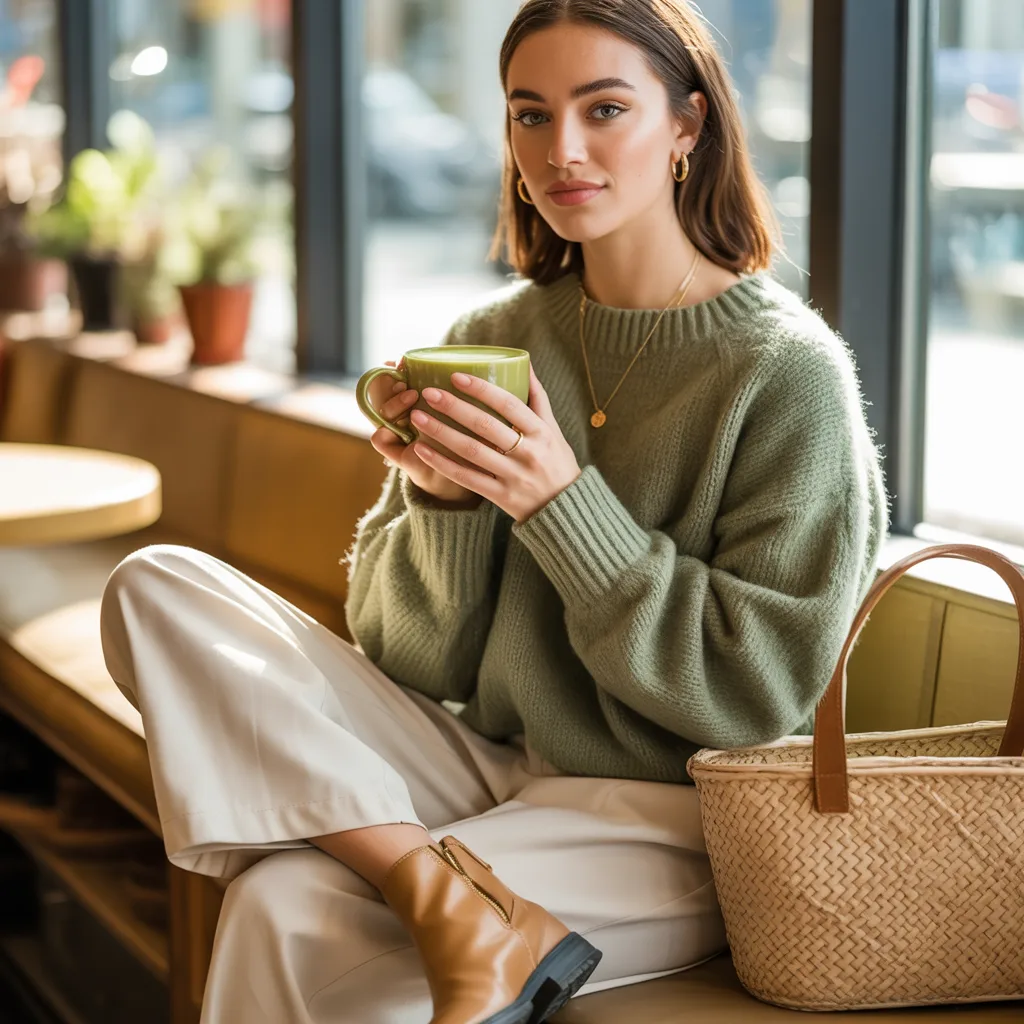
It wasn’t until I stood there, fully dressed, holding that warm matcha against the sharpness of the outfit, that I noticed how perfectly the contrast worked.
Structured on the outside. Soft on the inside. And suddenly, the whole day made sense.
The Quiet Power of Structure
I’ve always been drawn to structured clothing, even during phases of my life when I pretended I wasn’t, because there is something deeply stabilizing about clean lines, intentional tailoring, and pieces that hold their shape without effort.
Structure gives me clarity. It gives me edges. It creates a sense of containment that feels grounding rather than restrictive.
When I wear something structured, my posture changes slightly without me forcing it, my movements become more deliberate, and I feel composed in a way that doesn’t depend on mood.
It’s not about looking polished for other people. It’s about feeling held by what I’m wearing, like the outfit is doing some of the emotional work for me.
That morning, the structured piece didn’t make me feel stiff or serious. It made me feel capable, like I had boundaries without armor, like I could move through the day with intention instead of bracing myself.
Why Matcha Felt Necessary, Not Decorative
Matcha has a very different energy from coffee, and I’ve learned to respect that difference instead of pretending they’re interchangeable. Coffee is decisive. It sharpens. It accelerates.
Some days, that’s exactly what I want. But that morning, decisiveness felt like too much pressure, like it would tip the balance from clarity into tension.
Matcha, on the other hand, asks you to slow down just enough to notice what you’re doing. It doesn’t rush you into the day. It meets you where you are and lets you arrive fully before moving forward.
The warmth of the mug, the soft bitterness, the steady release of energy all felt aligned with the version of me that had chosen structure for support, not for dominance.
Holding that warm matcha while wearing something structured didn’t feel contradictory. It felt intentional.
When Contrast Creates Stability
For a long time, I thought confidence came from consistency, from choosing one lane and committing to it fully, whether that lane was softness or strength, calm or ambition, ease or discipline.
What I’m learning now is that real confidence often comes from contrast, from allowing opposing needs to coexist without forcing them into a single aesthetic or narrative.
That morning, the contrast between the sharp lines of my outfit and the gentle ritual of matcha didn’t cancel each other out. They balanced each other.
The structure kept me grounded externally, while the warmth softened my internal pace, and together they created a version of confidence that felt steady rather than performative.
It wasn’t loud. It didn’t demand attention. It simply worked.
How This Balance Showed Up in My Body
I noticed the difference immediately, not in how I looked, but in how I moved. I wasn’t rushing, but I wasn’t drifting either. My steps felt measured. My shoulders stayed relaxed. I didn’t feel the need to overcorrect my posture or energy depending on the room I was in.
The structure of my outfit gave me a sense of presence, while the matcha kept me from tightening around it. I felt open without feeling exposed, composed without feeling rigid. That balance followed me through conversations, decisions, and transitions throughout the day.
Why Balance Feels More Sustainable Than Extremes
I’ve lived in extremes before, periods where everything was sharp and driven and tightly controlled, and others where everything was soft and unstructured and reactive. Neither felt sustainable long-term, even when they looked good from the outside.
What this moment reminded me is that sustainability often lives in the middle, in the ability to support yourself in more than one way at the same time. Structure without softness becomes exhausting. Softness without structure can feel unanchored. Together, they create stability.
Holding that warm matcha while wearing something structured felt like a physical representation of that truth.
Style as Emotional Architecture
I’ve started to think about style less as self-expression and more as emotional architecture, the way you build external environments that support your internal state instead of fighting it.
The clothes I choose, the rituals I keep, the way I move through my mornings all shape how I experience myself throughout the day.
That morning, my outfit provided the framework, and my matcha filled in the warmth. Neither was enough on its own, but together they created something complete.
That’s when it clicked that balance isn’t accidental. It’s designed.
How This Changed the Rest of the Day
As the day unfolded, I noticed how rarely I felt thrown off, even when things didn’t go exactly as planned. I didn’t default to tension or withdrawal. I adjusted calmly, trusting that I didn’t need to swing to either extreme to handle what came up.
The balance I started the morning with stayed with me, not as a mood, but as a posture toward the day. I felt capable without feeling pressured, present without feeling exposed.
That’s a kind of confidence I want to keep returning to.
Why Balance Is a Style Skill, Not a Personality Trait
I used to think balance was something you either had or didn’t, a personality trait some people were naturally gifted with. What I’m learning now is that balance is a skill, something you practice through small, intentional choices, like what you wear, what you drink, how you move, and how you respond.
Holding a warm matcha while wearing something structured wasn’t a personality shift. It was a choice, one that signaled to my body and mind that I didn’t need to choose between strength and softness. I could have both.
Main Character Moment of the Day
Main Character Moment of the Day: holding a warm matcha while wearing something structured.
Not because it looked aesthetic or intentional from the outside, but because it created an internal alignment that carried me through the day with steadiness and ease. The lesson settled in quietly, as the best ones do. Balance creates confidence.
You don’t need to harden yourself to be capable, and you don’t need to soften yourself to be calm. Sometimes the most confident version of you is the one that knows how to hold warmth and structure at the same time, letting them support each other instead of compete.
And sometimes, being the main character isn’t about choosing one identity and committing to it fully, but about designing your life in a way that allows different parts of you to coexist, quietly and confidently, without apology.