Switching to Matcha and Not Missing the Rush
ADVERTISEMENT I thought I would miss the rush more than I did, and maybe that expectation alone says something about how long I’d associated stimulation with necessity, as if moving quickly, thinking faster, and feeling slightly ahead of myself was proof that I was engaged with my life instead of drifting through it. ADVERTISEMENT Coffee…
I thought I would miss the rush more than I did, and maybe that expectation alone says something about how long I’d associated stimulation with necessity, as if moving quickly, thinking faster, and feeling slightly ahead of myself was proof that I was engaged with my life instead of drifting through it.
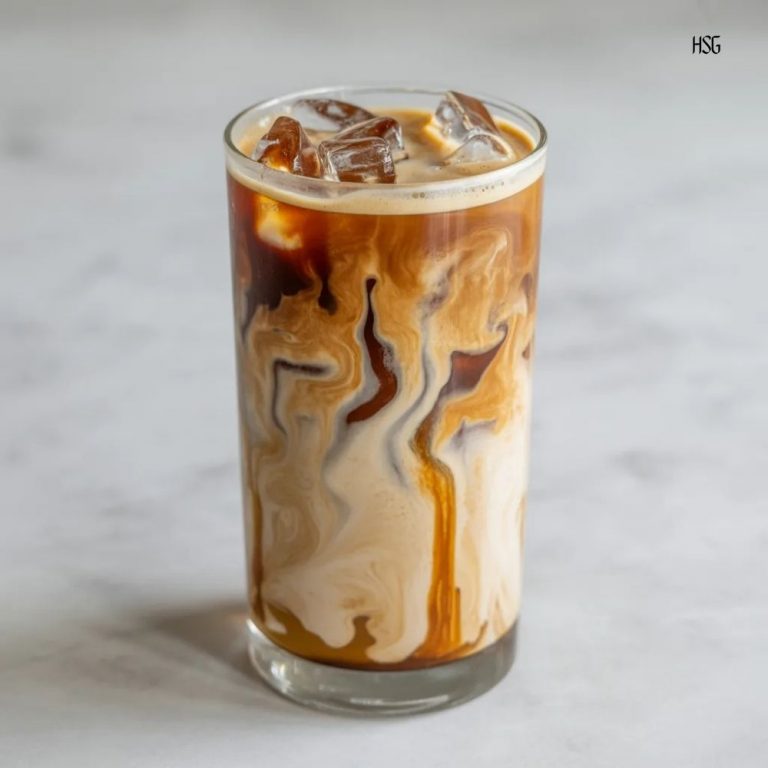
Coffee had always been part of that equation, not just as a drink, but as a signal that the day had officially begun, that it was time to sharpen my focus and pick up speed.
So when I switched to matcha, even temporarily, I assumed there would be a gap, a dullness, a moment where I’d wish for the jolt I’d trained myself to expect. I braced for that familiar itch, the one that usually shows up when things feel too quiet, the one that makes stillness feel suspicious.
But the moment never came. And that absence changed the way I thought about energy altogether.
The Way Rush Became Normal Without Me Noticing
The rush wasn’t something I consciously sought out in the beginning. It arrived gradually, folded into routines that felt productive and socially reinforced, the kind of habits that look impressive on the outside and feel justified because everyone else is doing them too.
Over time, I stopped questioning whether I actually needed that level of stimulation to function, because it had become the baseline. I didn’t think of it as anxiety or pressure. I thought of it as momentum.
Coffee fit neatly into that narrative. It was efficient. It was decisive. It matched the pace of a world that rewards immediacy and output. Even on slower days, it created the illusion of forward motion, which felt comforting in its own way.
What I didn’t realize was how often I confused that feeling with clarity.
Choosing Matcha Without Making It a Statement
When I switched to matcha, it wasn’t framed as a lifestyle change or a declaration of calm. There was no plan to replace anything permanently, no intention to optimize my mornings or reinvent my habits.
It was a simple choice, made on a day when coffee felt like too much, when the idea of accelerating my thoughts before they’d fully formed felt unnecessary.
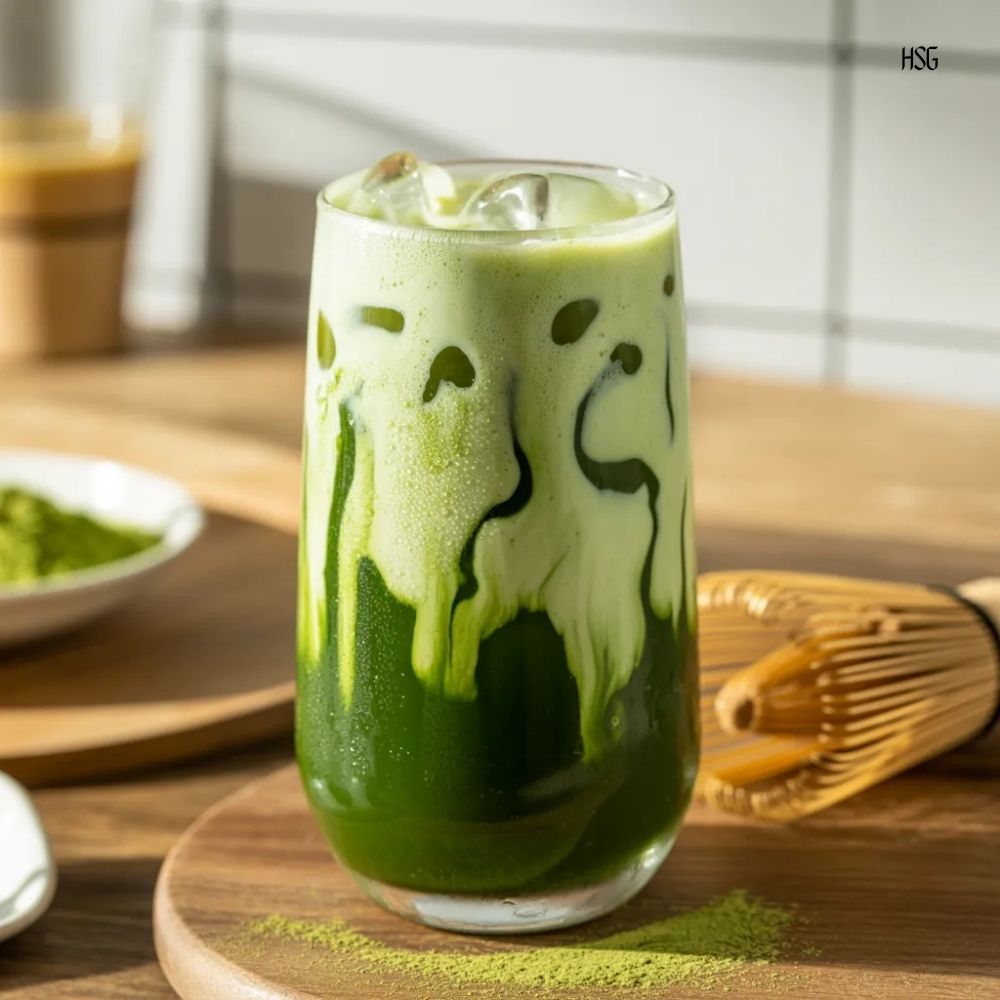
Matcha offered a different kind of entry into the day, one that didn’t demand intensity upfront. The preparation itself required more presence, not in a performative way, but in a natural one.
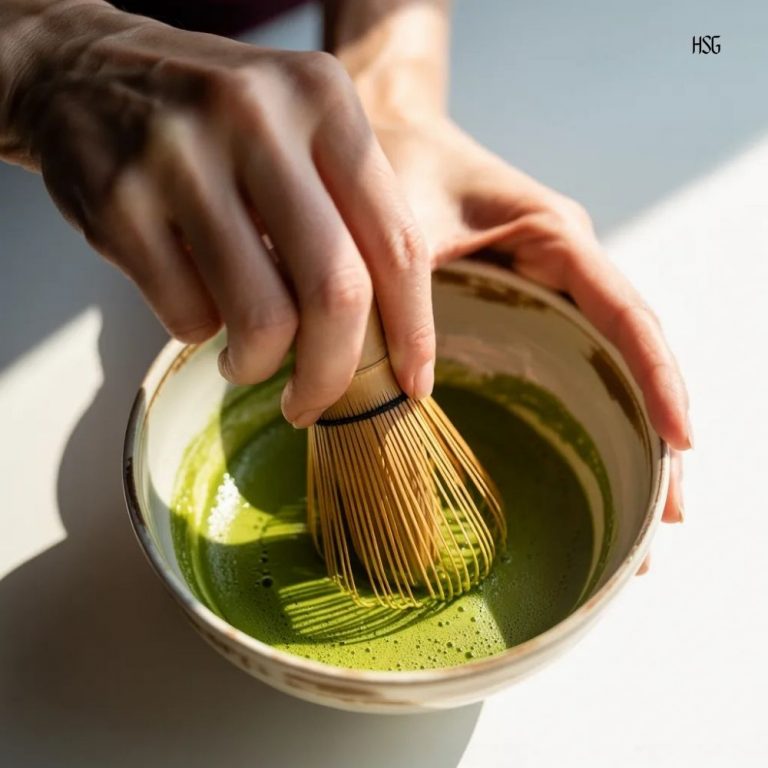
Heating the water, whisking slowly, choosing a mug that felt grounding, all of it created a pause I didn’t realize I’d been skipping. That pause changed everything.
Not Missing the Rush, Even When I Expected To
I kept waiting for the moment when I’d crave the old feeling, the urgency, the buzz, the sense that I was moving faster than the day itself. It never showed up. Instead, I felt grounded in a way that didn’t require effort, like I’d stopped bracing myself against my own schedule.
I still got things done. I still moved through responsibilities. But I wasn’t chasing the feeling of being “on” anymore. I was present in a way that felt less performative and more honest.
That’s when it clicked that the rush had never been the point. It had just been familiar.
How Calm Changed the Way I Moved Through the Day
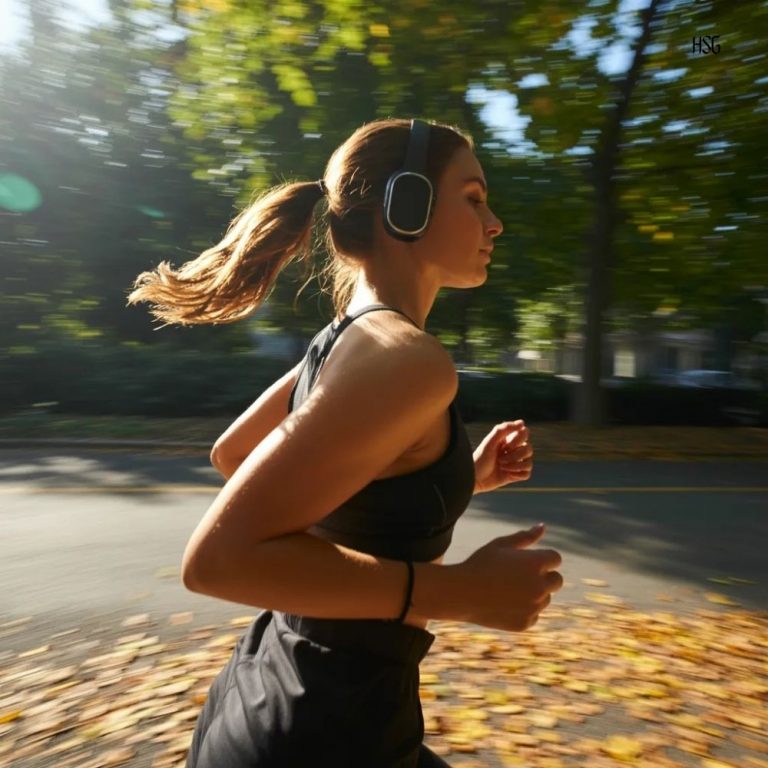
Without the rush, my body softened in small, noticeable ways. My shoulders stayed relaxed longer. My breath didn’t feel shallow or hurried. I moved from task to task without feeling like I was racing an invisible clock.
The day didn’t slow down, but I did.
And in that slowing, I noticed things I usually rushed past, like how my outfit actually felt on my body, how my thoughts formed more deliberately, how conversations felt less reactive and more present.
Calm didn’t dull my awareness. It sharpened it.
The Confidence That Comes From Steadiness
There’s a version of confidence that’s loud and immediate, the kind that announces itself through speed and decisiveness. I’ve worn that confidence before, and it has its place. But what I felt that day was different. It was quieter, deeper, and far more sustainable.
I didn’t feel the need to prove anything through motion or productivity. I trusted myself to move at a pace that felt natural instead of impressive. That trust created a sense of confidence that didn’t rely on stimulation to exist.
As the day went on, I realized how often I’d used rush as a way to avoid sitting with myself fully, how stimulation had filled the space where awareness might otherwise settle. Calm didn’t distract me from my thoughts. It let them surface without urgency.
That honesty felt grounding instead of overwhelming.
I wasn’t forced to solve anything or arrive at conclusions. I could simply notice what was there, and that noticing didn’t feel like stagnation or avoidance. It felt like presence.
Calm as a Form of Satisfaction
We don’t talk enough about how satisfying calm can be, especially in a culture that equates excitement with fulfillment and intensity with meaning. Calm doesn’t shout. It doesn’t spike. It doesn’t demand attention.
But it holds. Switching to matcha and not missing the rush taught me that satisfaction doesn’t always come from highs. Sometimes it comes from balance, from steadiness, from feeling supported instead of pushed.
That realization stayed with me longer than any caffeine spike ever did.
Letting Go of the Need to Override Myself
For a long time, I thought overriding my energy was part of being responsible, as if listening too closely to how I felt would somehow derail my progress. What I’m learning now is that honoring your energy doesn’t slow you down. It aligns you.
Matcha didn’t make me less capable. It made me more attuned. And that attunement felt like growth.
Productivity didn’t disappear when the rush did. It just changed shape. I worked with more intention and less friction. I made decisions without urgency. I finished tasks without feeling drained afterward.
The calm created a steadiness that carried me through the day instead of exhausting me halfway through it. That kind of productivity felt kinder, and surprisingly, more effective.
Main Character Moment of the Day
Main Character Moment of the Day: switching to matcha and not missing the rush.
Not because I’d outgrown coffee or rejected intensity, but because I realized that stimulation wasn’t the only way to feel engaged with my life. The lesson settled in slowly, without fanfare. Calm can be satisfying.
You don’t need to push yourself into urgency to be present, and you don’t need to chase intensity to feel fulfilled. Sometimes the most aligned choice is the one that lowers the volume instead of turning it up, the one that lets you move through your day with steadiness instead of speed.
And sometimes, being the main character isn’t about dramatic momentum or high-energy transformation, but about discovering that a quieter pace can still hold everything you need, and trusting that calm doesn’t take anything away from you.
It just gives you space to actually feel your life.