Realizing My Tattoos and My Favorite Recipes Were Chosen the Same Way
ADVERTISEMENT The realization didn’t arrive during a tattoo appointment or while flipping through a cookbook or even during a particularly emotional moment, which is usually how I expect insight to show up. ADVERTISEMENT It instead came to me while I was standing in my kitchen, stirring something I’ve made so many times I no longer…
The realization didn’t arrive during a tattoo appointment or while flipping through a cookbook or even during a particularly emotional moment, which is usually how I expect insight to show up.
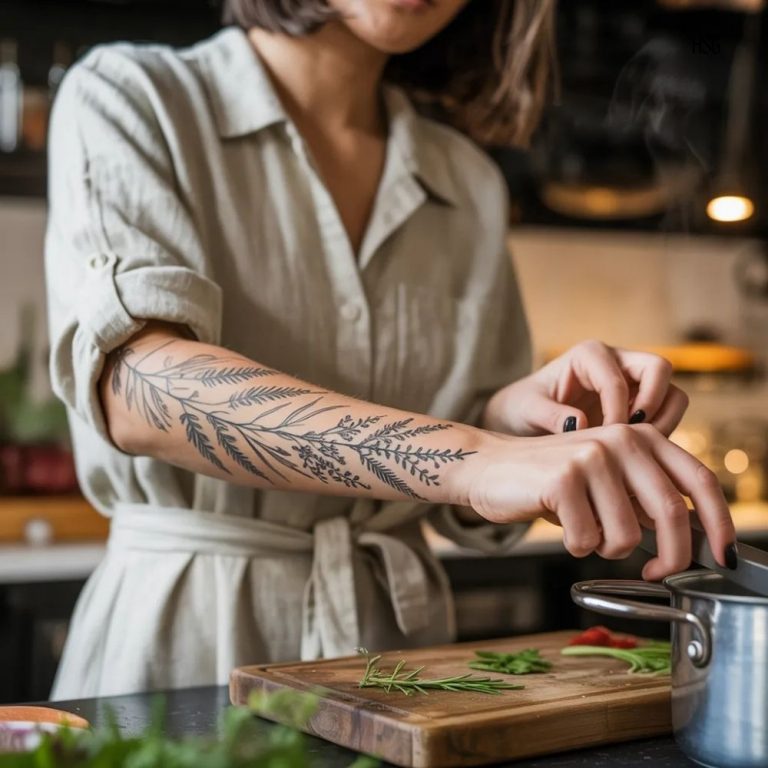
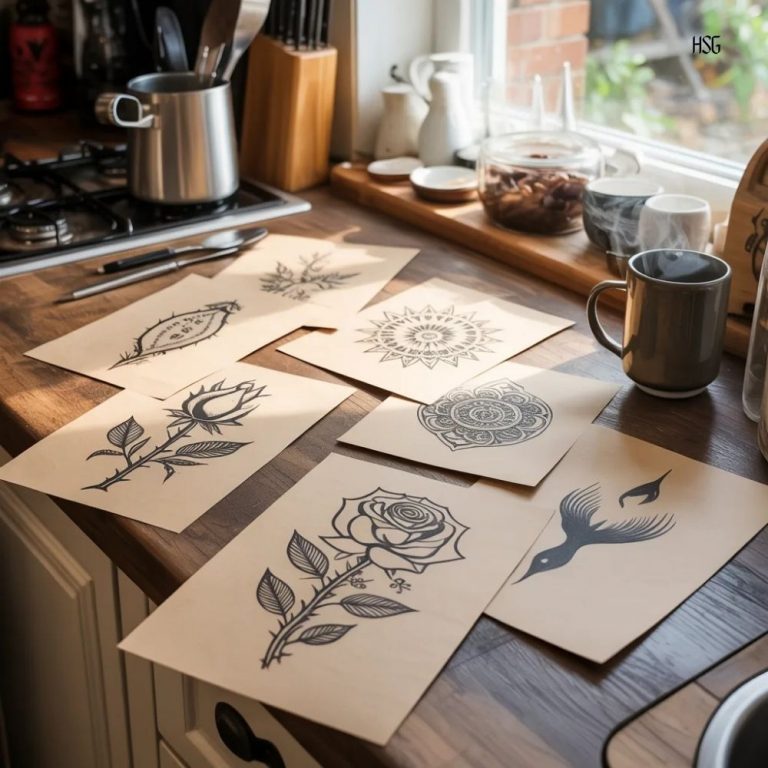
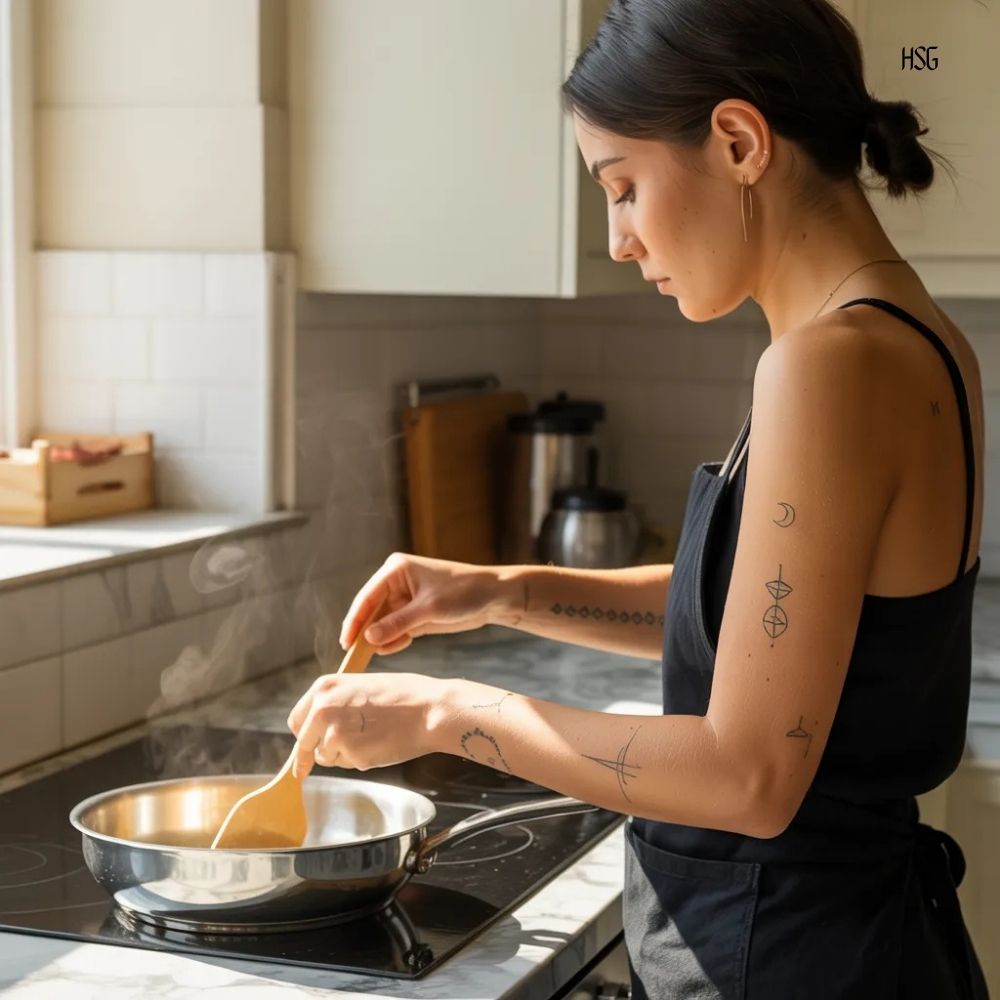
It instead came to me while I was standing in my kitchen, stirring something I’ve made so many times I no longer measure, my sleeve pushed up just enough to reveal the tattoo on my arm that I also stopped consciously thinking about a while ago.
Nothing about the moment felt significant at first. The kitchen was quiet, the light was neutral, the recipe was familiar, and my mind was mostly focused on timing.
But as I moved through the motions without thinking, I noticed how naturally my hand drifted, how confidently I adjusted seasoning by instinct, and how little doubt I felt about the outcome.
That’s when it clicked, not loudly, but clearly. This is the same way I chose my tattoos.
The Myth That Big Decisions Are Always Logical
We like to pretend that permanent or meaningful choices come from careful analysis, from pros and cons lists, from deep research and rational justification, because that story makes decisions feel safer, more defensible, more respectable.
I bought into that myth for a long time, especially when it came to things that felt irreversible or deeply personal.
Tattoos, in particular, are supposed to come with grand explanations, symbolism, and certainty, at least according to the way people talk about them. Favorite recipes get a similar treatment in a quieter way, expected to have backstories, traditions, or reasons rooted in nostalgia or technique.
But when I looked honestly at how I chose both, I realized how little logic had actually been involved. I didn’t choose them because they made sense. I chose them because they felt right.
How I Actually Choose Recipes I Love
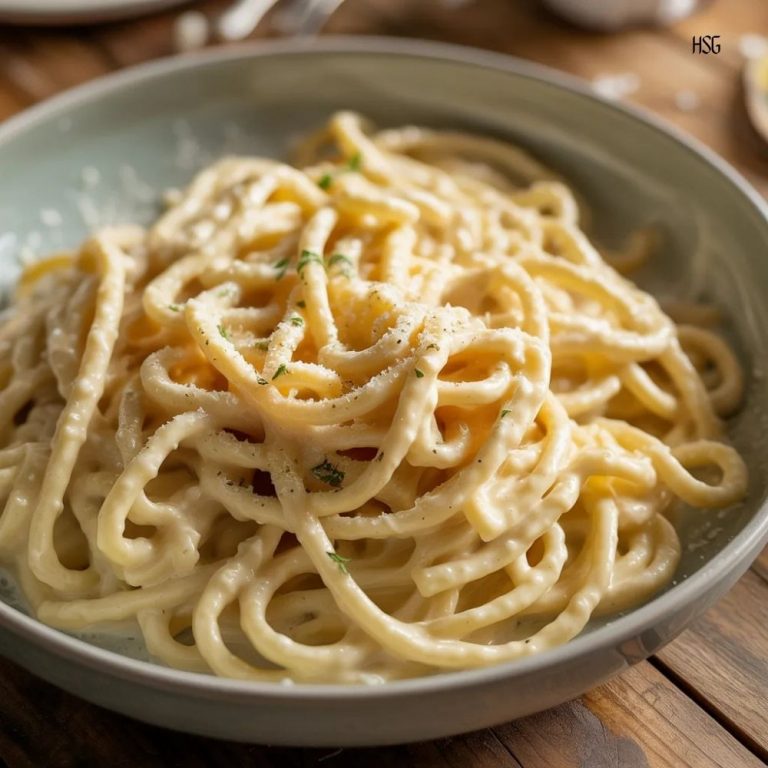
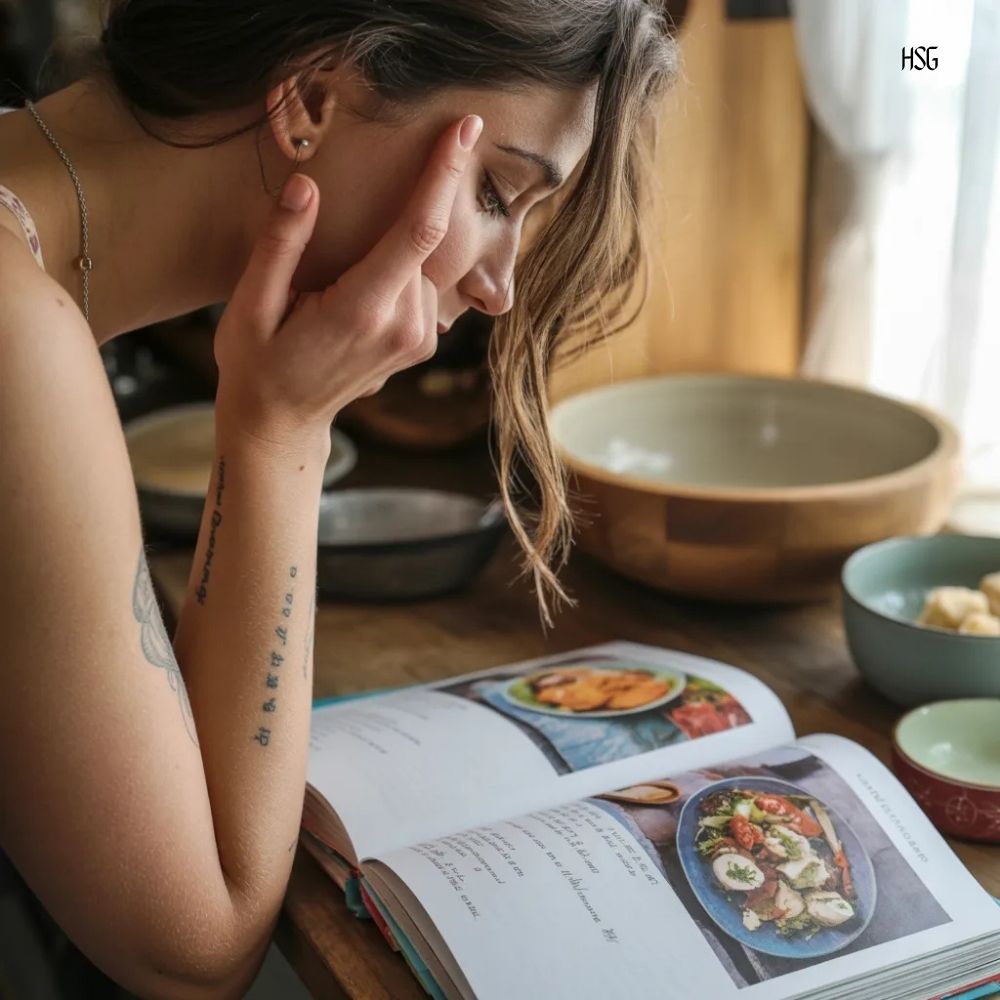
The recipes I return to over and over aren’t the ones I researched the most or perfected through repetition until they were technically flawless. They’re the ones that felt intuitive from the start, dishes where the flavors made sense to me immediately, where the steps felt natural instead of forced.
I don’t follow recipes rigidly once I’ve made them a few times. I adjust based on smell, texture, timing, and instinct, trusting myself to know when something needs more time or less heat, even if I can’t explain exactly why.
Those recipes stay with me not because they impress anyone, but because they fit into my life easily, because they work without requiring performance. They feel like mine.
How I Actually Chose My Tattoos
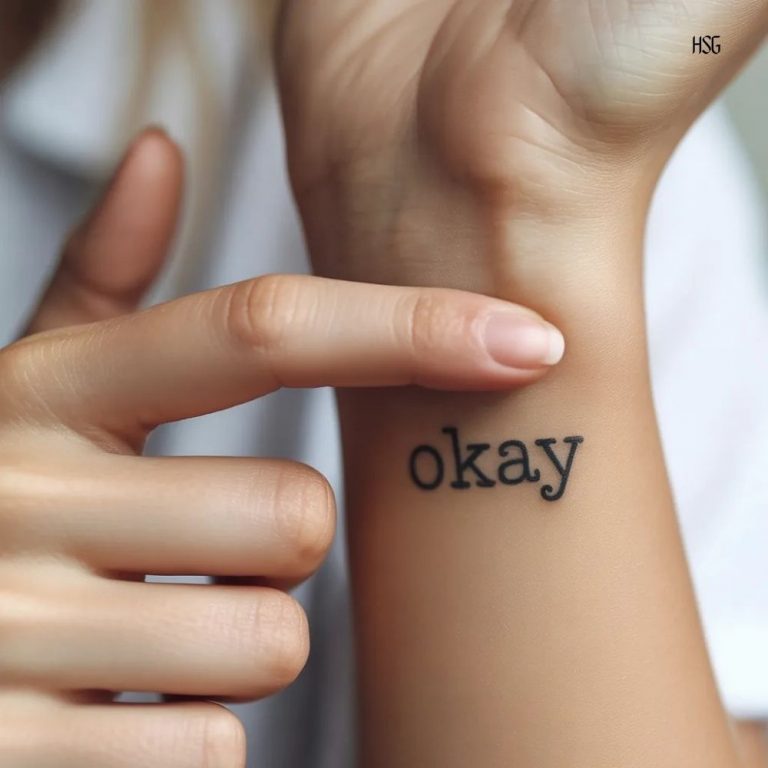
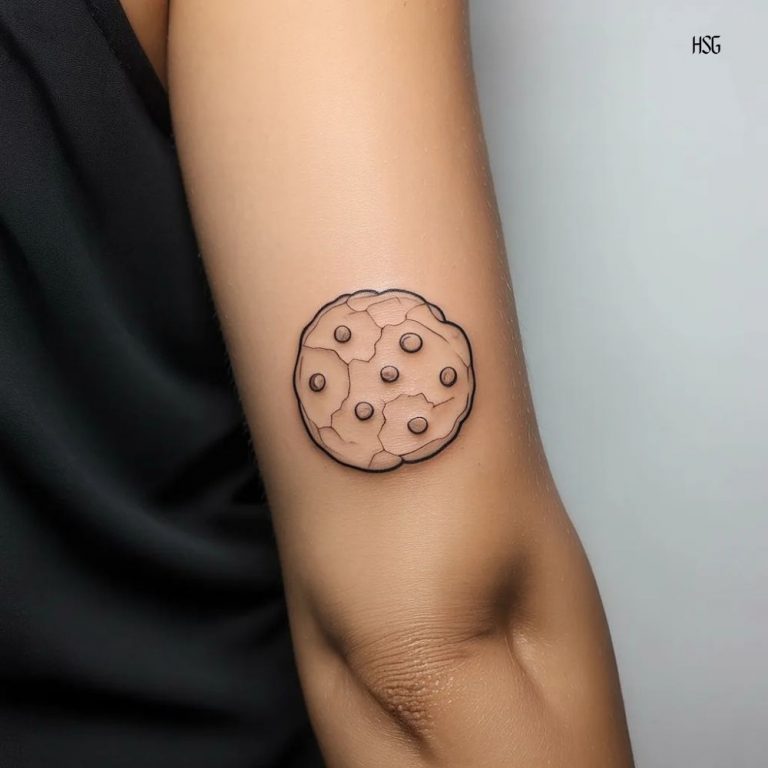
When I think back on choosing my tattoos, the process was almost identical. I didn’t overthink them into meaning. I didn’t wait for the “perfect moment.” I didn’t need them to represent a finished version of myself.
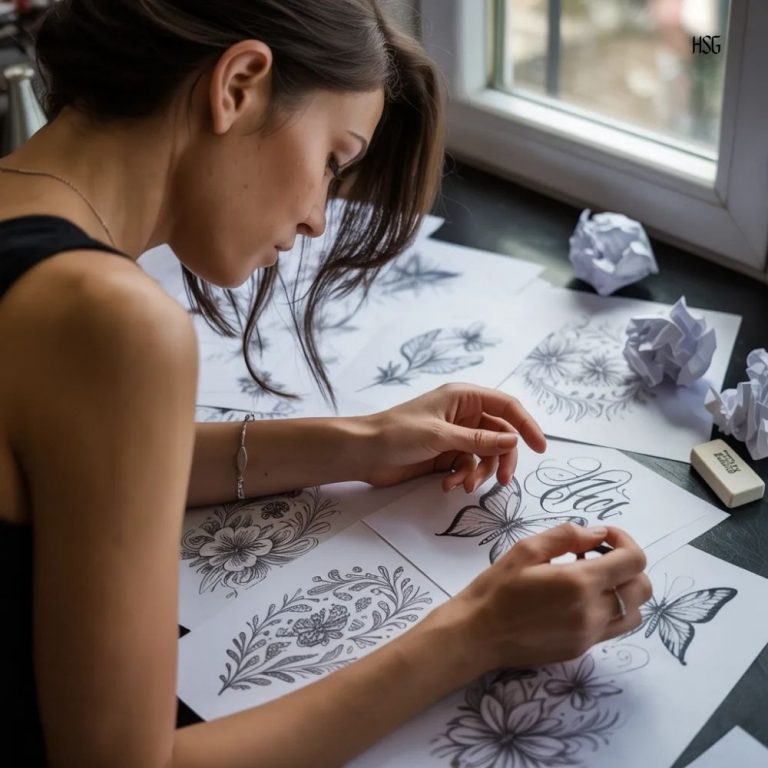
I sat with the ideas quietly. I noticed how they made me feel when I imagined them being part of my body instead of just an image on a screen. I paid attention to whether the feeling stayed consistent over time, not whether it intensified or became dramatic.
When the feeling remained calm, steady, and familiar, I knew. That recognition didn’t feel like certainty. It felt like alignment.
Why Intuition Gets Undervalued
Intuition often gets dismissed as vague or unreliable, especially when compared to logic or expertise, but what we forget is that intuition is built from experience, observation, and self-trust accumulated over time. It’s not random. It’s informed in a way that doesn’t always translate into words.
In the kitchen, intuition comes from repetition, from learning how ingredients behave, from making mistakes and adjusting without panic. With tattoos, intuition comes from knowing yourself well enough to recognize what will still feel true when novelty fades.
In both cases, intuition asks you to trust the version of yourself that already exists, not the one you’re trying to become.
The Difference Between Impressing and Belonging
I realized that neither my tattoos nor my favorite recipes are designed to impress. They’re designed to belong. They fit into my life naturally, without requiring explanation or validation.
I don’t cook to perform. I cook to nourish. I didn’t get tattoos to prove anything. I got them because they felt like they belonged on me, like they had always been part of the picture. That sense of belonging is what makes them lasting.
When Taste Becomes Trust
Taste is often framed as something external, something influenced by trends, culture, or education, but when I look at my life honestly, taste is one of the clearest reflections of my internal trust. What I return to again and again reveals what actually supports me, not what looks good on paper.
My favorite recipes and my tattoos are evidence of that trust, built slowly through action rather than theory. Each choice reinforced the next, making it easier to listen to myself in other areas too.
The more I honored my intuition, the clearer it became.
Why This Matters More Than I Expected
This realization mattered because it reframed how I see myself. Instead of someone who needs constant reassurance or explanation, I started seeing myself as someone who already knows how to choose well, someone whose instincts are worth listening to across different parts of life.
That shift felt empowering in a quiet, sustainable way, not dramatic, but deeply stabilizing.
Main Character Moment of the Day
Main Character Moment of the Day: realizing my tattoos and my favorite recipes were chosen the same way.
Not through overthinking or justification, but through a steady, calm intuition that repeats itself across different parts of life. The lesson settled in naturally as I finished cooking and glanced down at my arm without thinking. Intuition repeats across different parts of life.
When you trust it in small, everyday moments, it grows stronger in the bigger ones too. You don’t need to analyze every choice into meaning. Sometimes all you need to notice is the calm that shows up when something belongs, and trust that feeling enough to let it guide you again the next time.
Because the things that stay, the ones you return to without effort, often reveal more about who you are than any explanation ever could.