Reaching for Matcha Because I Wasn’t in a Coffee Mood Emotionally
ADVERTISEMENT I didn’t wake up thinking about matcha or coffee or even caffeine in general, which is usually how these realizations sneak up on me, arriving through action instead of intention, through a reach of the hand rather than a fully formed thought. ADVERTISEMENT I was standing in my kitchen, still half inside the quiet…
I didn’t wake up thinking about matcha or coffee or even caffeine in general, which is usually how these realizations sneak up on me, arriving through action instead of intention, through a reach of the hand rather than a fully formed thought.
I was standing in my kitchen, still half inside the quiet of the morning, when I realized that the idea of coffee felt wrong in a way I couldn’t immediately justify. It wasn’t too early, and I wasn’t tired in the dramatic sense.
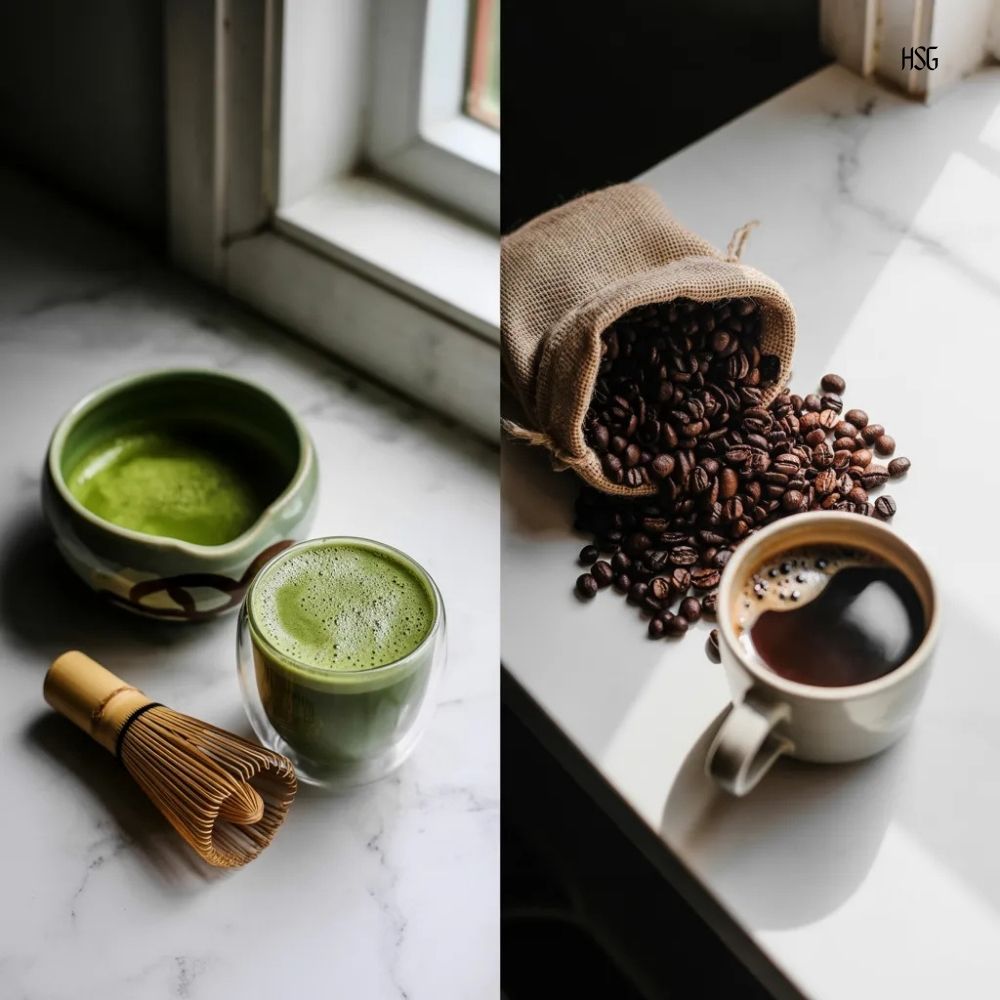
I just knew, in a quiet and unarguable way, that coffee would be too loud for the version of myself that had woken up that day. So I reached for matcha instead, not as a health decision or a productivity adjustment, but as an emotional one.
The Difference Between Energy and Emotional Readiness
We talk a lot about energy levels, about being tired or alert or productive, but we don’t talk nearly enough about emotional readiness, about how some days you can handle sharp edges and intensity and forward momentum, and other days you need something softer to meet you where you are.
That morning, I wasn’t fragile or overwhelmed, but I was inward, quieter than usual, more observant than decisive, and coffee felt like it would override that internal state instead of supporting it.
Matcha felt like an agreement instead of an override. It promised steadiness without urgency, focus without pressure, and that distinction mattered more than I expected.
Choosing Matcha Without Needing a Reason That Sounds Smart
There was a time when I would have interrogated that choice, asked myself whether it made sense, whether I was just being indecisive or dramatic or avoiding something unnecessarily intense.
I might have forced myself into coffee simply because it was what I usually did, because routine can feel safer than listening too closely to subtle emotional cues.
But that morning, I didn’t argue with myself. I didn’t need a reason that would translate well to someone else. I didn’t need to justify the choice with science or trends or productivity logic. I just listened, and the listening itself felt like a small act of respect.
The Ritual That Matched the Mood
Preparing matcha takes longer than pouring coffee, and that extra time felt intentional rather than inconvenient.
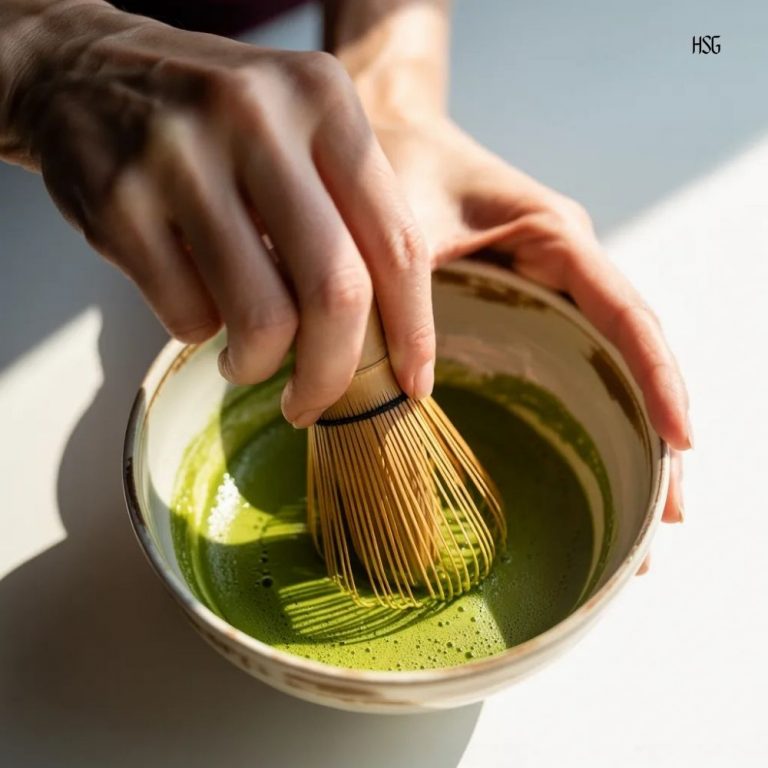
Heating the water carefully, whisking slowly, choosing a mug that felt grounding in my hands, all of it aligned with the pace I already felt inside my body. Nothing needed to be rushed into existence. Nothing needed to spike or accelerate.
The ritual didn’t create the calm. It acknowledged it. That distinction stayed with me longer than the drink itself.
The Quiet Relief of Not Forcing Myself Forward
As I took the first few sips, I noticed something subtle but significant, the absence of tension I usually carry into my mornings without realizing it. There was no internal countdown, no sense that I needed to “get going” immediately, no pressure to transition from rest to output as quickly as possible.
The matcha didn’t dramatically energize me. It supported me in a steady one. And that steadiness felt deeply satisfying.
What struck me most in that moment was how rarely I accommodate my feelings unless they escalate into something undeniable. I wait until I’m exhausted, overwhelmed, or clearly unhappy before adjusting anything, as if subtle discomfort doesn’t deserve attention unless it becomes disruptive.
But that morning wasn’t disruptive. It was just different. Choosing matcha felt like honoring a feeling before it needed to demand anything from me, and that preemptive care changed the tone of the entire day.
Emotional Accommodation as a Form of Self-Trust
Accommodation gets framed as indulgence far too often, as if adjusting to your feelings means you’re being weak or avoiding growth, when in reality, it’s often a sign of self-trust. I trusted myself to know what I needed without turning it into a project or a problem to solve.
I didn’t lose productivity that day. I didn’t fall behind. I didn’t drift aimlessly.
I moved through my tasks with a clarity that felt calmer but no less focused, as if the emotional alignment created space instead of taking it away.
The Difference Between Coping and Supporting
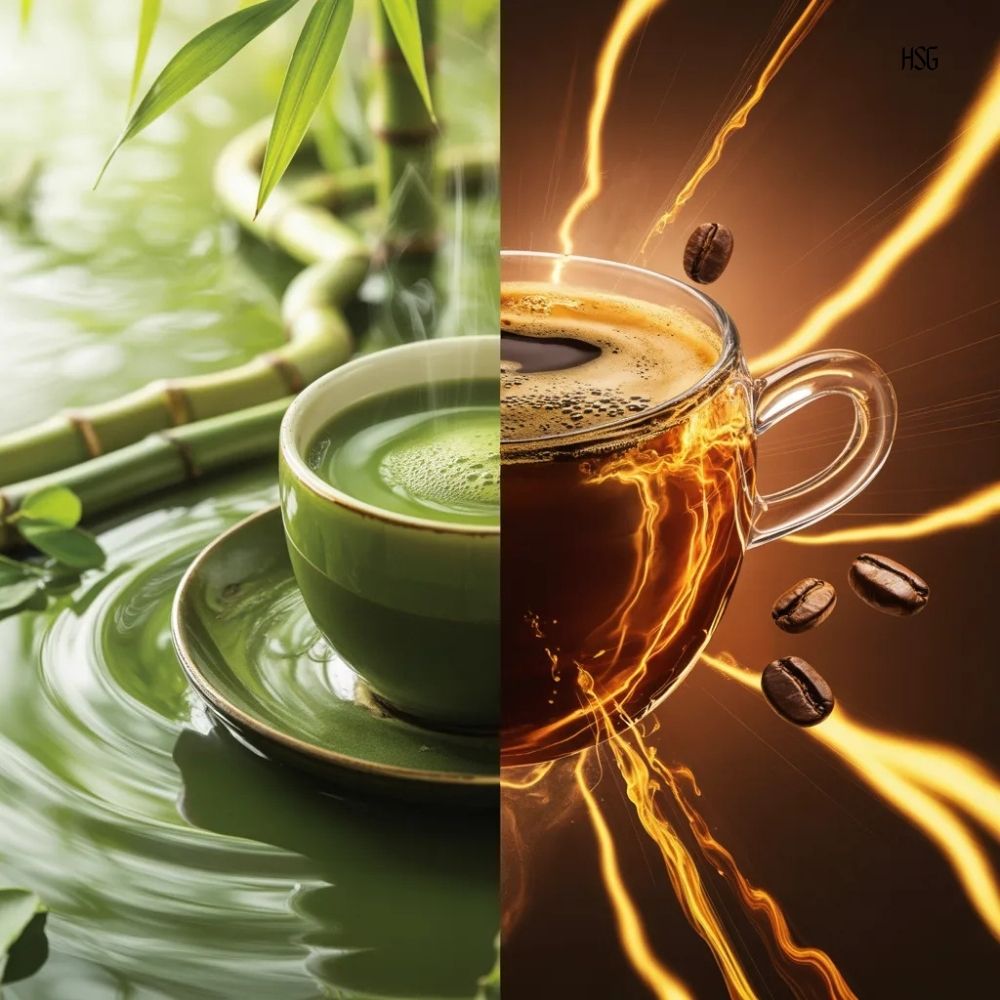
There’s a difference between coping with your feelings and supporting them, and that difference showed up clearly in that small decision. Coping implies endurance, getting through something despite how you feel. Supporting implies collaboration, moving with yourself instead of against yourself.
Matcha wasn’t a coping mechanism. It was support. And that subtle shift reframed how I thought about care altogether.
The softness of the morning carried into the rest of the day in quiet ways. I didn’t rush conversations. I didn’t multitask unnecessarily. I noticed details I might have skipped otherwise, the way light moved across a room, the comfort of my clothes, the rhythm of my own attention.
Nothing extraordinary happened, and that was the point. The day didn’t need to be optimized to be valuable.
Why This Choice Felt Like Growth, Not Avoidance
Choosing matcha because coffee felt emotionally wrong didn’t feel like avoiding intensity or challenge. It felt like choosing the right tool for the moment. Growth doesn’t always look like pushing yourself into discomfort. Sometimes it looks like recognizing when intensity isn’t required and allowing yourself to move forward gently instead.
That discernment felt earned, not passive.
The Confidence That Comes From Listening Early
There’s a quiet confidence in responding to your feelings before they escalate, in adjusting early instead of waiting for burnout or resentment to force your hand. That confidence doesn’t announce itself. It doesn’t need validation.
It simply steadies you. That morning, the confidence didn’t come from the drink. It came from the listening.
Main Character Moment of the Day
Main Character Moment of the Day: reaching for matcha because I wasn’t in a coffee mood emotionally.
Not because matcha is better or healthier or more aesthetic, but because I recognized that my feelings didn’t need to be overridden to be valid. The lesson arrived softly and stayed. Feelings deserve accommodation.
They don’t need to be dramatic to be honored. They don’t need to justify themselves with productivity or logic. Sometimes the most aligned choice is the one that meets you exactly where you are, not where you think you should be.
And sometimes, being the main character isn’t about powering through your day at full volume, but about adjusting the tone just enough to let yourself move through it with care, clarity, and the quiet assurance that listening to yourself is not a detour from growth, but one of its most reliable paths.