Building a Wardrobe That Supports My Real Life, Not My Fantasy One
For a long time, my wardrobe reflected a version of my life that existed mostly in theory, a collection of outfits designed for scenarios that sounded good when I imagined them but rarely showed up in practice. I had clothes for dinners that didn’t happen as often as I thought they would, shoes meant for…
For a long time, my wardrobe reflected a version of my life that existed mostly in theory, a collection of outfits designed for scenarios that sounded good when I imagined them but rarely showed up in practice.
I had clothes for dinners that didn’t happen as often as I thought they would, shoes meant for walking streets I didn’t frequent, and pieces that assumed a level of spontaneity or glamour that felt exciting to picture but strangely disconnected when I actually tried to wear them.
None of it was wrong, exactly. It just wasn’t honest.
I would stand in front of my closet most mornings feeling like I had plenty of options and yet nothing that truly matched the day I was about to have. Instead of questioning the wardrobe, I questioned myself, wondering why I felt underdressed or overdone or slightly out of place no matter what I chose.
It took me longer than I’d like to admit to realize that the problem wasn’t my taste. It was the fantasy I’d been dressing for.
The Fantasy Version of My Life
The fantasy version of my life was stylish, social, slightly unpredictable, and always one invite away from something interesting.
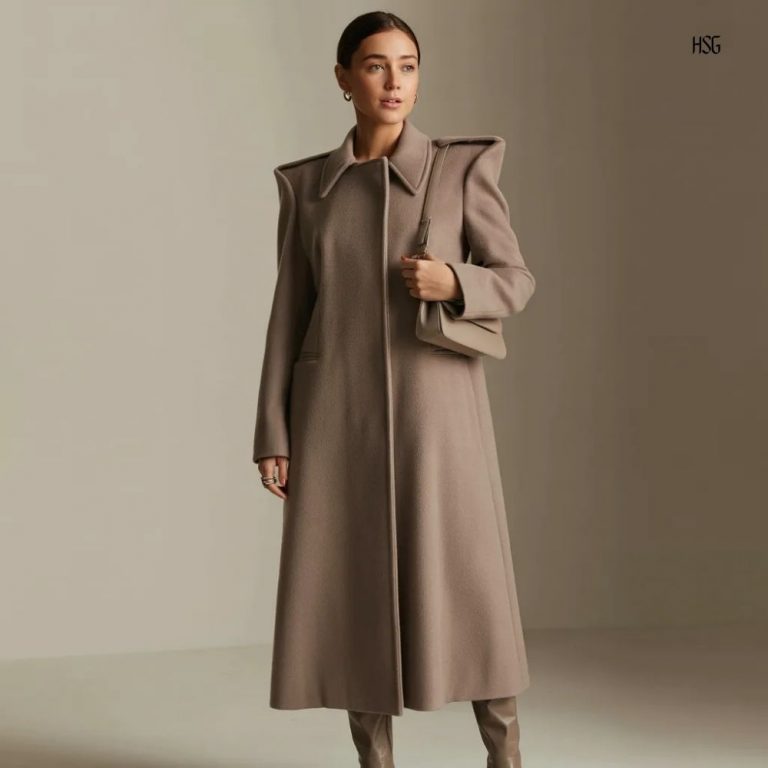
She wore structured jackets to cafés, delicate tops that assumed perfect lighting, and shoes that required intention just to exist in. She had plans that justified outfits, and outfits that justified plans. She wasn’t fake. She just wasn’t who I was most days.
Dressing for her felt aspirational at first, like I was inching closer to becoming that version of myself through sheer aesthetic alignment.
But over time, it started to feel like a quiet performance I couldn’t keep up with, a daily reminder of who I thought I should be instead of who I actually was. And that disconnect showed up everywhere.
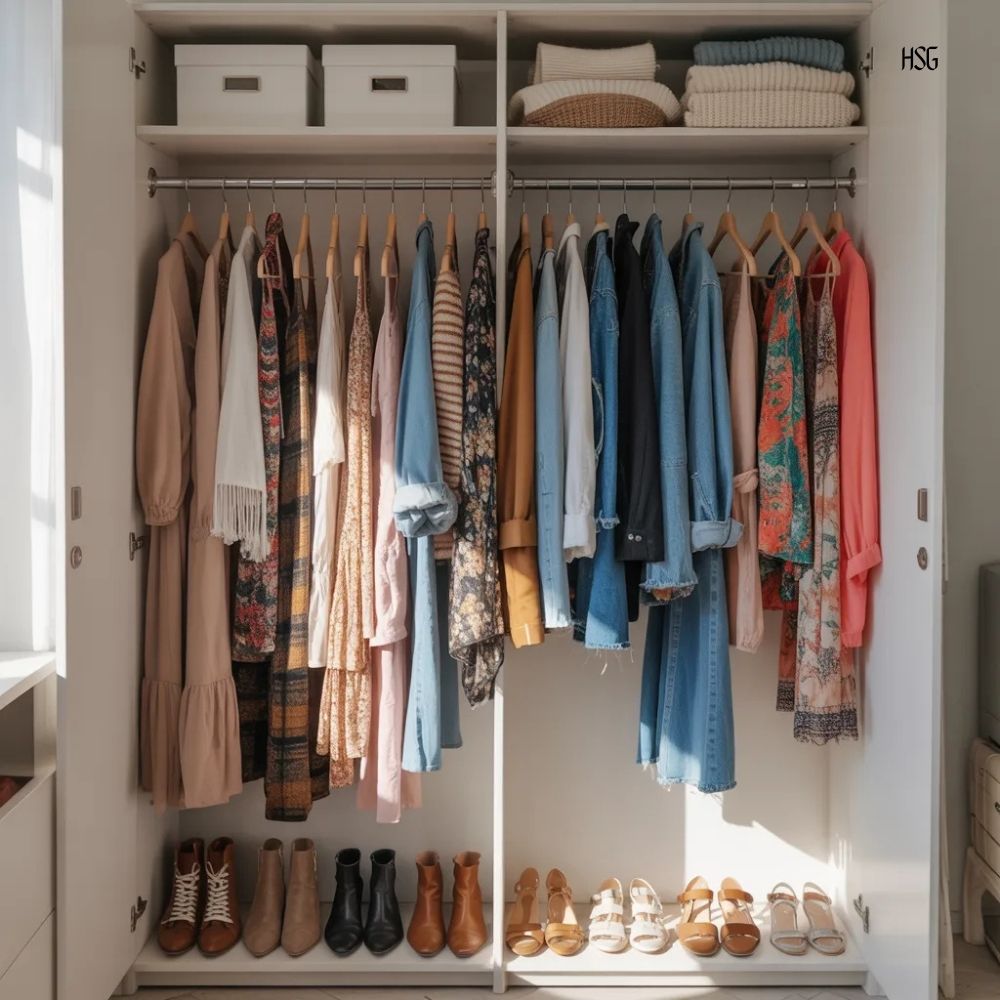
The Moment I Stopped Blaming Myself
The shift didn’t happen during a closet clean-out or a dramatic style overhaul. It happened on an ordinary morning when I reached for something I loved visually but immediately hesitated, already anticipating how it would feel halfway through the day, how it would require adjustment, awareness, effort.
That hesitation felt louder than usual, and instead of pushing past it like I normally would, I paused.
I asked myself a question I’d never seriously considered before, not what version of myself I wanted to look like, but what version of myself I was actually going to be that day.
I was going to be walking, sitting, working, waiting, moving through spaces that required comfort, presence, and adaptability, not constant self-monitoring. And suddenly, it didn’t make sense to dress for a fantasy when I was stepping into a very real life.
What My Real Life Actually Looks Like
My real life is layered and slightly unpredictable, but not in a cinematic way, more in a practical, human way that involves a lot of movement, transitions, and in-between moments.
I walk more than I pose. I sit more than I stand. I exist in spaces where ease matters more than impact, and where the ability to feel comfortable without thinking about it is a kind of quiet luxury.
When I started naming that reality honestly, my wardrobe choices began to shift without force.
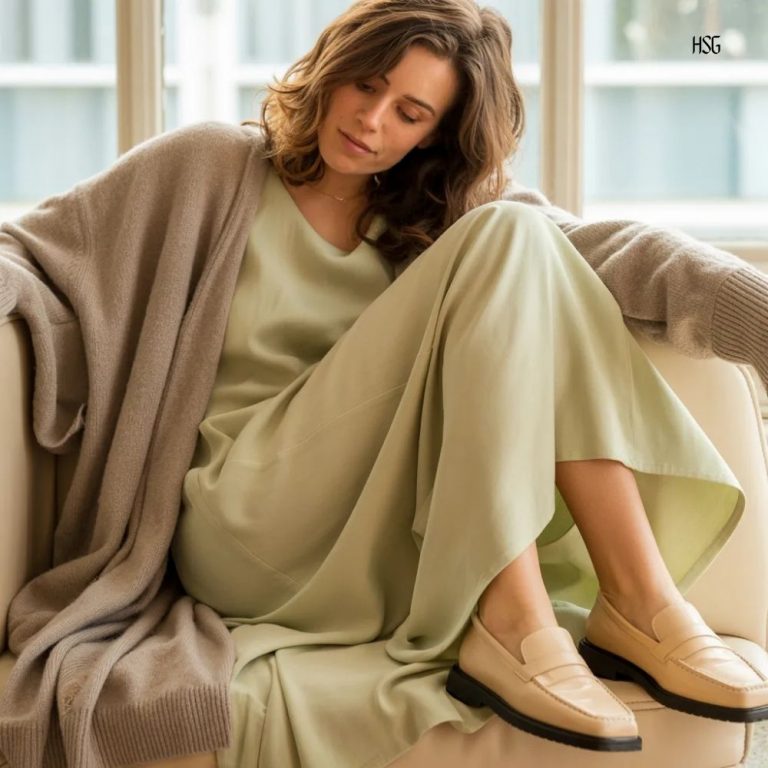
I reached for pieces that supported me instead of asking something from me, clothes that allowed me to focus on the day instead of myself, items that felt aligned with how I actually lived instead of how I imagined living someday.
Letting Go of the “Someday” Pieces
One of the hardest parts of this shift was letting go of clothes I loved in theory but never wore in practice, not because they were bad or outdated, but because they belonged to a version of my life that wasn’t happening yet, and might never happen in the way I imagined.
I realized how much space those “someday” pieces were taking up, not just physically, but mentally, quietly reminding me of expectations I hadn’t met. Each time I skipped over them, I felt a subtle sense of failure, as if the wardrobe was keeping score.
Letting them go wasn’t about lowering standards. It was about releasing pressure. And once they were gone, something unexpected happened. Getting dressed became easier.
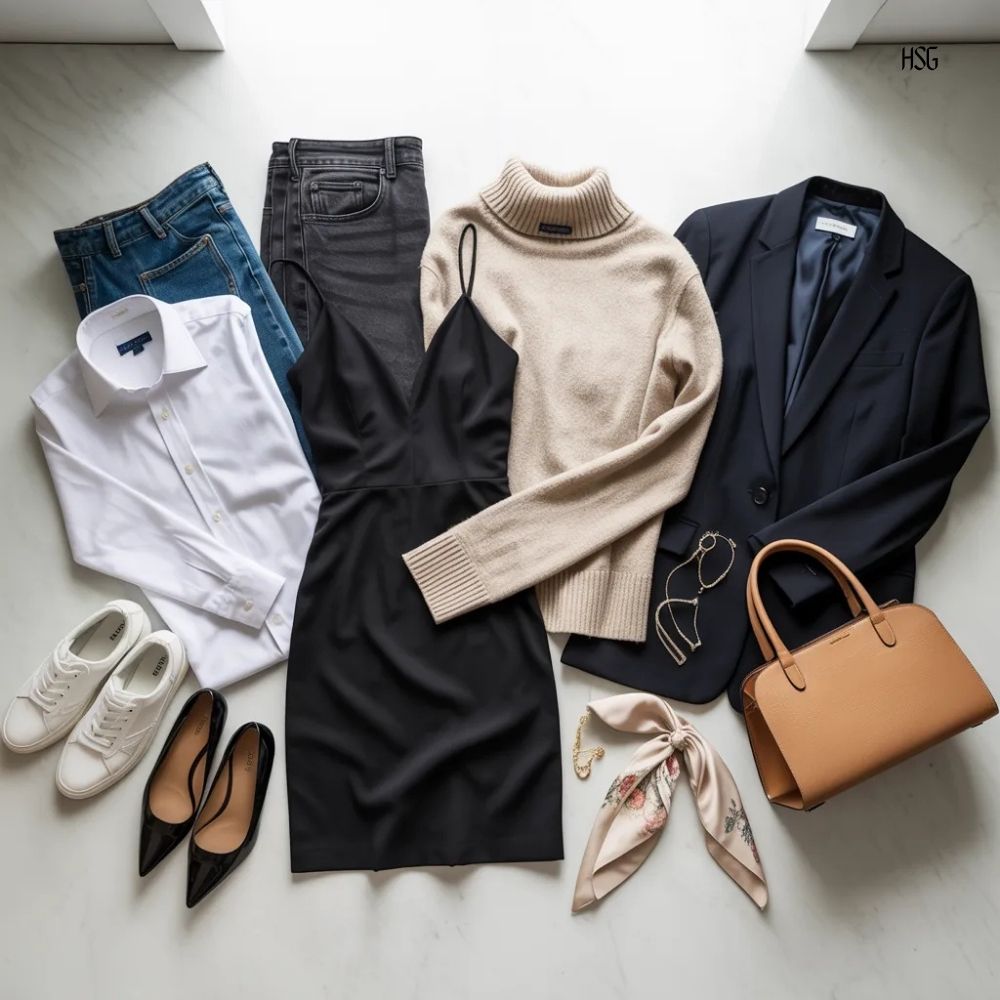
How My Style Became Clearer, Not Smaller
Building a wardrobe around my real life didn’t shrink my style. It clarified it. Instead of endless options that didn’t quite work, I had fewer pieces that consistently felt right, pieces that could handle a full day without requiring adjustment or second-guessing.
I stopped buying clothes for hypothetical events and started choosing items that worked across multiple versions of my day, things that could move with me without losing intention.
Structure mattered, but it had to coexist with comfort. Style mattered, but it couldn’t come at the cost of presence. The result wasn’t boring or basic. It was refined.
The Confidence That Comes From Support
What surprised me most was how much more confident I felt once my wardrobe stopped asking me to perform. When my clothes supported my real life, I didn’t feel like I was falling short of anything. I felt aligned.
I wasn’t constantly adjusting, checking, or questioning whether I looked appropriate for the moment. I was free to be in the moment instead of hovering just outside of it, managing how I was perceived.
That freedom showed up in subtle ways, in how I moved, how I spoke, how I listened, and how I held myself when plans shifted or moments didn’t go as expected.
Confidence didn’t come from aspiration anymore. It came from coherence.
Dressing for the Life I Actually Wake Up To
Now, when I get dressed, I don’t imagine an audience or a scenario. I imagine the day as it’s likely to unfold, the movement, the pacing, the spaces I’ll occupy, and I choose clothes that feel like companions rather than costumes.
There’s still style. There’s still intention. But there’s also ease, and that ease makes the style feel more powerful, not less.
I don’t feel like I’m chasing anything anymore. I feel like I’m showing up.
The Relief of Letting Authenticity Lead
There’s a deep relief in letting your wardrobe reflect your real life instead of your imagined one, a relief that goes beyond style and into self-acceptance. It feels like telling the truth gently, without criticism or disappointment.
I didn’t give up on becoming someone else. I just stopped postponing being myself.
Main Character Moment of the Day
Main Character Moment of the Day: building a wardrobe that supports my real life, not my fantasy one.
Not because I lowered my standards or gave up on aspiration, but because I realised that style works best when it’s grounded in reality. The lesson settled in slowly, as the best ones do. Authenticity outlasts aspiration.
Trends fade. Fantasies shift. But a wardrobe built around who you actually are, how you actually live, and what you actually need will always feel relevant, because it grows with you instead of waiting for you to catch up.
And sometimes, being the main character isn’t about dressing for a future version of your life, but about honouring the one you’re already living, trusting that it’s worthy of good clothes, thoughtful choices, and style that feels like support instead of expectation.