Choosing Quality Fabric Over Obvious Labels
The decision didn’t happen in front of a mirror or under flattering lighting or even in a store that wanted me to feel important for being there. It happened quietly, the way most real shifts do, when I reached for a piece of clothing and noticed how it felt before I noticed what it said…
The decision didn’t happen in front of a mirror or under flattering lighting or even in a store that wanted me to feel important for being there. It happened quietly, the way most real shifts do, when I reached for a piece of clothing and noticed how it felt before I noticed what it said about me.
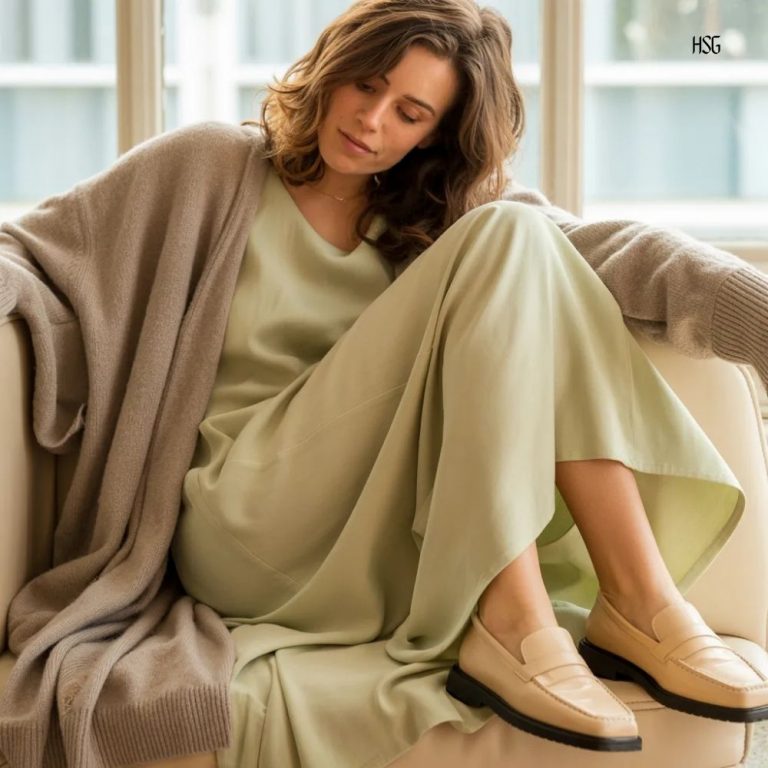
The fabric rested differently on my body, softer but more substantial, less eager to announce itself and more interested in staying exactly where it belonged, and I realized that something in my relationship with clothes had changed without me formally deciding it would.
For a long time, I thought I was choosing clothes based on style, when really I was choosing them based on what they signaled.
Labels felt like shortcuts, like a way to say something quickly without having to explain myself. Standing there, running my fingers along fabric that didn’t need to perform, I felt a small but decisive shift toward something quieter and far more satisfying.
The Phase Where Labels Felt Reassuring
There was a time when obvious labels felt comforting to me, not because I needed validation, but because they provided clarity in a world that constantly asks you to define yourself.
Wearing something recognizable felt like having a shorthand, a way to say “I belong here” without having to think too hard about whether I actually did. It wasn’t about status so much as it was about certainty, about choosing something that came pre-approved by culture, trend cycles, or collective taste.
That phase made sense at the time. When you’re still figuring out your style, your place, or even your confidence, visible markers can feel grounding. They promise consistency. They promise recognition. They promise that if nothing else, you’ve made a choice that will be understood.
But over time, that reassurance started to feel hollow.
When the Fabric Started to Matter More Than the Name
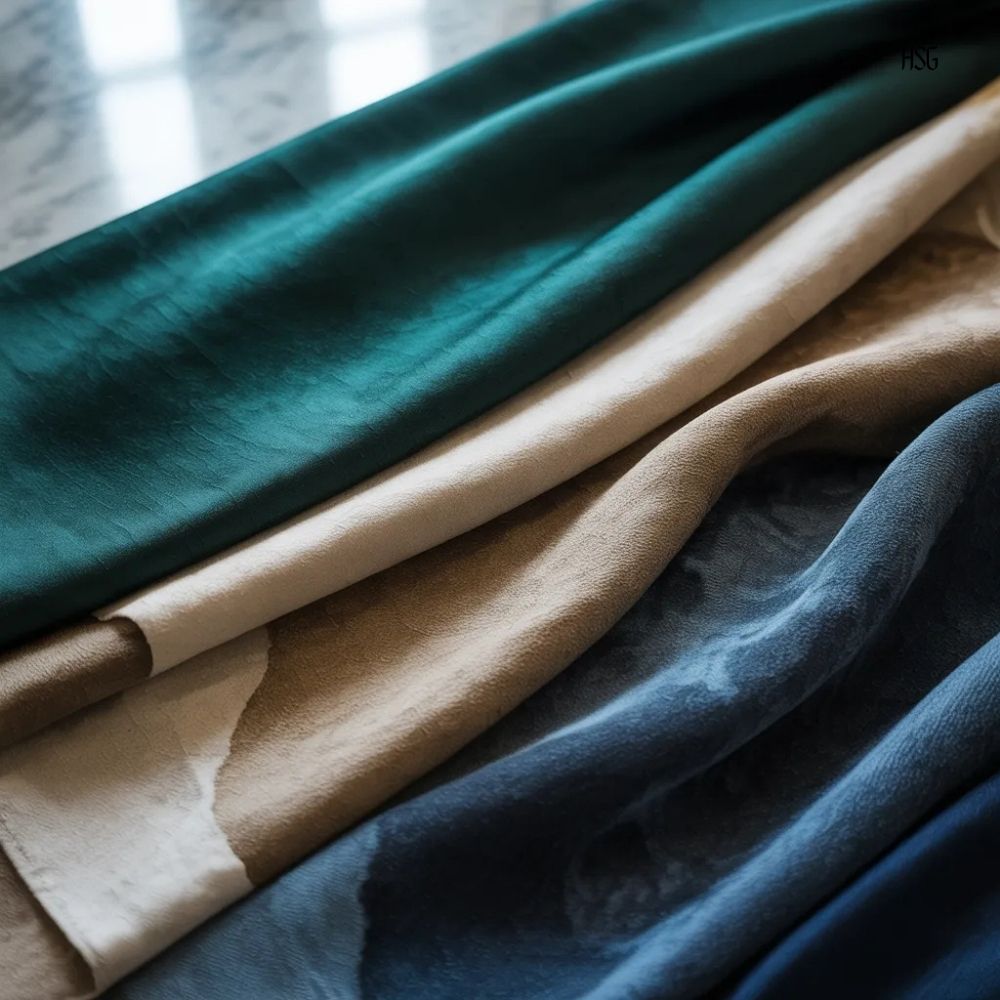
The shift didn’t arrive as a rejection of labels or a declaration of minimalism or anything that dramatic. It arrived through touch.
Through weight. Through how a garment behaved after a full day instead of how it looked in the first five minutes. I started noticing which pieces I reached for repeatedly and which ones stayed hanging despite their perceived value.
The pattern was impossible to ignore. The clothes I loved wearing weren’t the loud ones. They were the ones made from fabric that moved with me, that softened over time instead of wearing out, that held their shape without demanding attention.
They didn’t announce themselves across the room. They revealed themselves slowly, to me. That realization felt grounding rather than limiting.
The Quiet Confidence of Good Fabric
There’s a particular confidence that comes from wearing something that feels good instead of something that looks impressive, and it’s different from the kind of confidence labels offer. It doesn’t spike. It doesn’t ask to be seen. It settles.
When fabric drapes properly, when it breathes with your body, when it doesn’t require constant adjustment, you stop thinking about how you look and start existing inside yourself again. That’s when style becomes personal instead of performative.
Good fabric doesn’t rush you. It doesn’t need to prove anything. It supports movement, posture, presence, and over time, it starts to feel like an extension of your body rather than something layered on top of it.
Learning to Trust My Sensory Judgment
Choosing quality fabric over obvious labels required me to trust my own sensory judgment instead of outsourcing it, which was harder than I expected.
It meant believing my body when it told me something felt right, even if there was no visible indicator to back that choice up. It meant letting go of the reassurance that comes from wearing something others might immediately recognize.
But the more I practiced that trust, the clearer my preferences became. I noticed the difference between softness and flimsiness, between structure and stiffness, between weight that grounds and weight that drags. Those distinctions started guiding my choices more than trend reports ever could.
The Clothes That Lasted Taught Me Everything
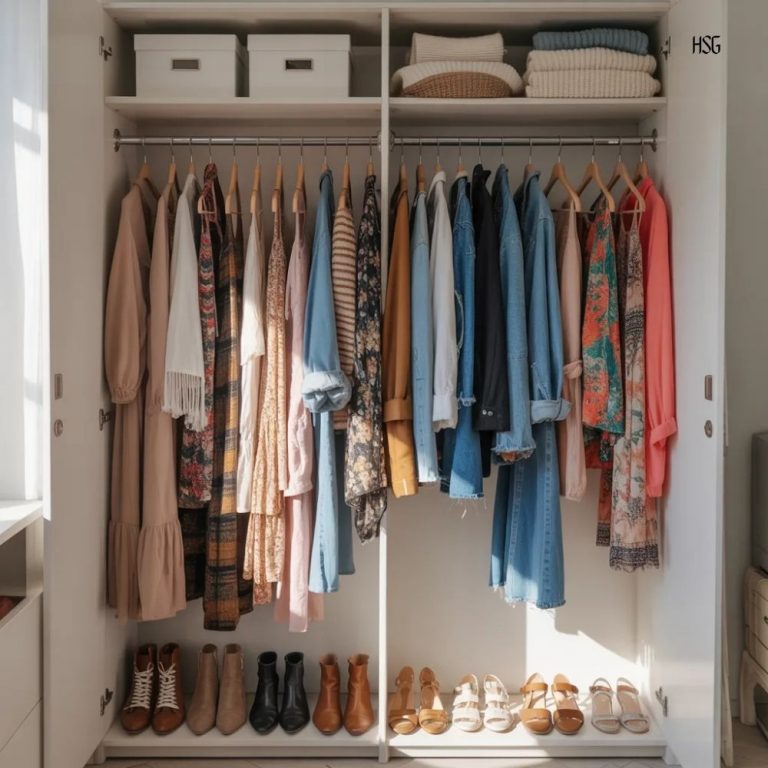
Some of the most valuable pieces in my wardrobe now aren’t the ones I saved up for or splurged on impulsively. They’re the ones that quietly survived.
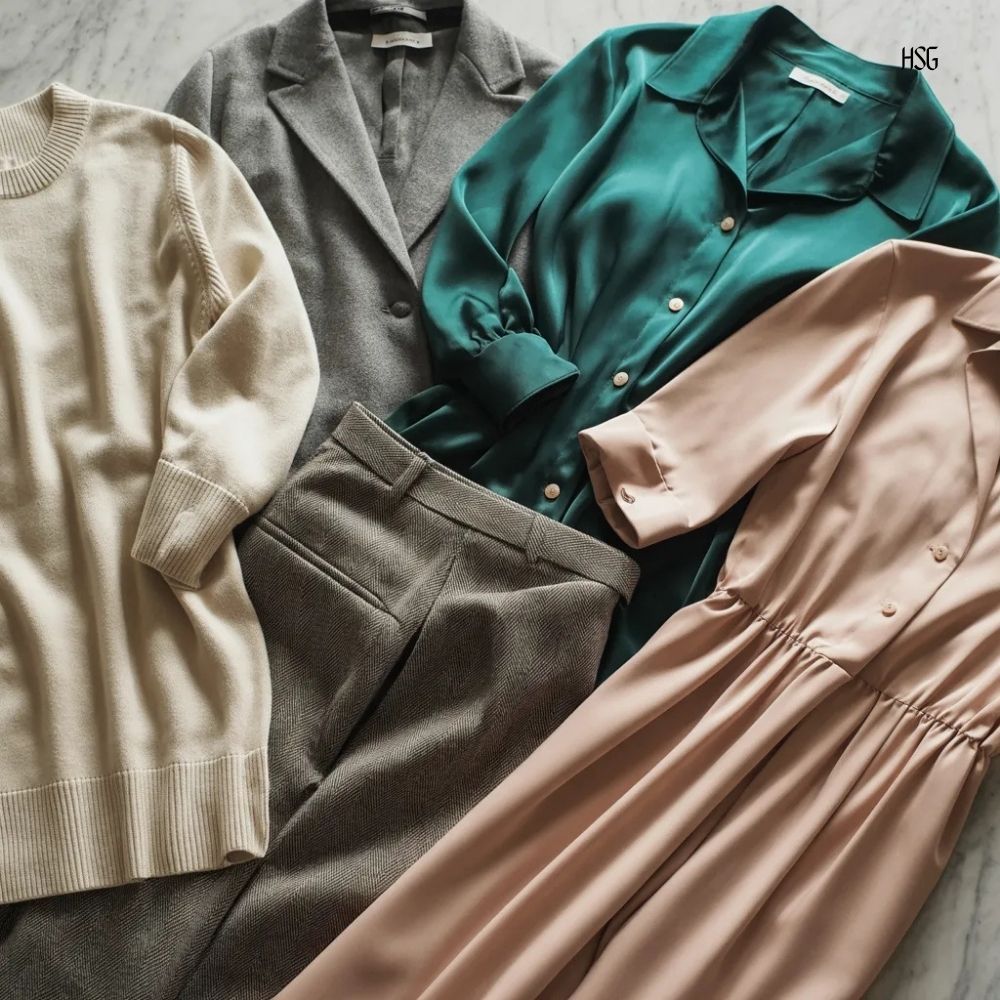
The sweater that softened without losing its shape. The trousers that held their structure through countless wears. The coat that aged gracefully instead of feeling dated.
None of them shout. All of them support.
That longevity taught me that luxury isn’t about immediate impact. It’s about how something lives with you over time, how it shows up again and again without losing relevance or comfort.
Letting Go of the Need to Be Recognized
Choosing quiet quality meant letting go of the subtle thrill of being recognized for my clothes, and that wasn’t entirely easy.
There’s a small satisfaction in knowing someone might clock what you’re wearing, in feeling seen through shared cultural references. But I realized that satisfaction was fleeting, while comfort and alignment lingered.
I stopped dressing for recognition and started dressing for resonance, and that shift changed how I moved through the world. I wasn’t scanning rooms for reactions anymore.
I wasn’t adjusting myself based on how I imagined others perceived me. I was present in my body, grounded in how my clothes supported me rather than advertised me.
How This Shift Changed My Shopping Habits
Shopping became slower and quieter after that realization. I stopped reacting to logos and started paying attention to seams, weight, fiber content, and construction.
I tried things on differently, not asking whether they looked impressive, but whether they felt right after standing, sitting, walking, and existing in them for a while.
I bought less, but I chose better, and those choices felt intentional instead of reactive. There was no rush to keep up. No urgency to be current. Just a steady alignment with what actually worked for me.
Why Quiet Luxury Feels More Personal
Luxury, when it’s quiet, becomes deeply personal because it doesn’t rely on external validation. It exists in the relationship between you and the object, in how it supports your life rather than how it signals your taste.
That kind of luxury doesn’t fade when trends shift or when recognition disappears. It deepens. It becomes part of your routine, your comfort, your sense of self.
Now, when I get dressed, I don’t feel like I’m stepping into a role or making a statement. I feel like I’m supporting the version of myself who will live the day, walk the streets, sit at tables, move through conversations, and exist fully without distraction.
Main Character Moment of the Day
Main Character Moment of the Day: choosing quality fabric over obvious labels.
Not because labels are bad or meaningless, but because I realized that what truly supports me doesn’t need to announce itself. The lesson settled quietly, the way good fabric does. Luxury is often quiet.
It lives in texture, in weight, in how something wears over time. It shows up in comfort, durability, and presence rather than recognition.
And sometimes, being the main character isn’t about being noticed immediately, but about moving through your life wrapped in choices that feel right long after the moment has passed, trusting that quiet confidence will always outlast noise.